


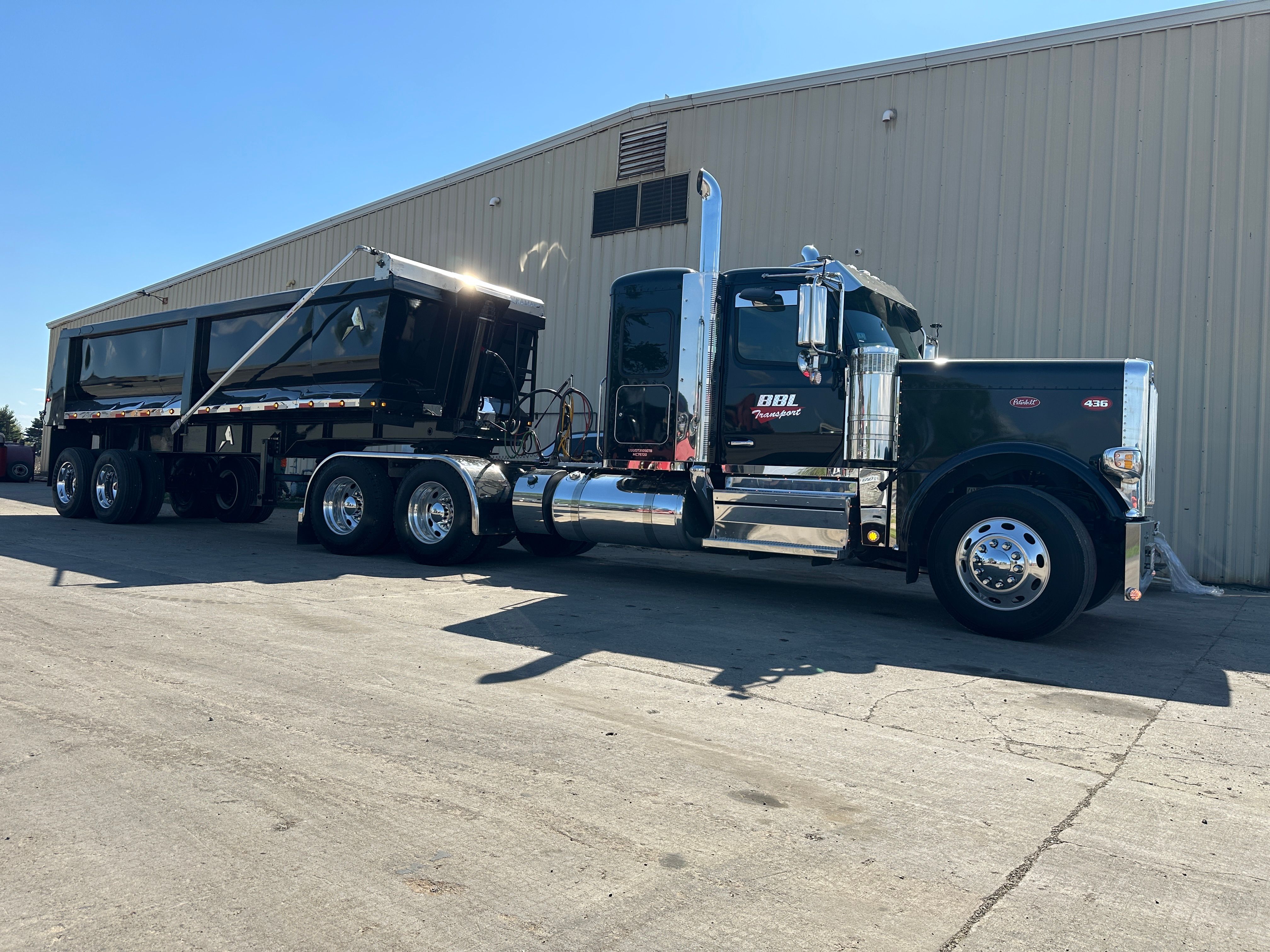
Aluminum Dump Trailer Weight Guide and How Much Lighter It Is Than Steel
t
tj@civsav.com
© 2026 Civilized Savage
Based in USA
tj@civsav.com
An aluminum dump trailer weight guide is a worksheet that shows what your trailer weighs empty, what it is rated to carry loaded, and how much material you can legally haul on top of that. The formula is simple: GVWR minus empty weight equals payload. Aluminum trailers are built to weigh less than comparable steel ones, so every pound the body saves is a pound of material you can add before you hit your rating. ALKO builds both steel and aluminum trailers in Varna, Illinois, and describes its aluminum models as lighter, rust resistant and higher in payload capacity. ALKO does not publish weight or GVWR figures on its site, so ask for the spec sheet on the exact build you are pricing.
Aluminum weighs roughly a third of what steel weighs for the same volume of metal. That does not mean an aluminum trailer weighs a third of a steel one. Builders use thicker aluminum sections to reach the same strength, and the axles, suspension, hoist, tires, hinges and tailgate hardware are the same heavy parts on either build. The savings come from the body: floor, sidewalls and parts of the frame. The rest of the trailer weighs about the same.
Because of that, the honest answer to "how much lighter" is always build specific. Length, wall height, floor thickness, hoist type and options such as tarps and spreader gates all move the number. ALKO publishes no empty weights, so compare two quoted builds side by side rather than trusting a general rule. Our post on payload capacity and weight distribution in dump trailers covers how that weight sits across your axles once the trailer is loaded.
Work through these steps with real numbers from the spec sheets of the two trailers you are comparing.
The last step matters most. A lighter body does not raise your GVWR. If the aluminum build carries the same rating as the steel build, the weight you save turns directly into payload. If you are already running against an axle, tire or state limit, the savings show up as margin rather than extra tons. Weigh the loaded rig on a certified scale to confirm.
The figures below are hypothetical placeholders chosen only to show the arithmetic. They are not ALKO specifications. Replace each one with the numbers on your quote or data plate.
| Step | Steel build (example) | Aluminum build (example) |
| GVWR from the data plate | 24,000 lb | 24,000 lb |
| Empty weight as built | 8,000 lb | 6,800 lb |
| Payload (GVWR minus empty) | 16,000 lb | 17,200 lb |
| Difference | Baseline | 1,200 lb more per load |
Run the same three lines with your own figures and the answer takes about a minute. Over a week of hauling, a few hundred extra pounds per load can remove a trip. Ask ALKO for the empty weight and GVWR of the exact build before you sign anything.
Pulling less dead weight generally means less work for the truck, especially on the empty return leg and on hills. How much you save depends on your truck, route, speed and load, so treat any single fuel figure you see online with caution. The clearer gains are easier to predict: lower stress on brakes and tires when running empty, and more margin before a scale ticket. Aluminum also resists corrosion, which matters on Midwest roads salted all winter. ALKO states that its aluminum trailers are rust resistant with no paint to flake. Those are ALKO's claims about its own builds.
Aluminum is softer than hardened steel, so sharp, heavy material that slides along the floor wears it faster. Loads worth thinking hard about include the following.
For that work, a steel body takes the beating better. ALKO builds dedicated demolition dump trailers with an impact gate and powder coated frames, and offers AR steel or Hardox on those builds. ALKO does not publish the grade or thickness, so ask for it. Lighter, less aggressive material such as topsoil, mulch, sand, millings and bagged goods suits an aluminum body well. If your week mixes both, a steel floor with an aluminum comparison quote is a fair conversation to have before you order.
Before you compare an aluminum vs steel equipment trailer quote, get the numbers that decide the job in writing.
A custom dump trailer build lets you set length, wall height, tailgate and hoist, and each choice changes the empty weight. Confirm the final figures on the quote, then weigh the finished trailer at a certified scale and keep that ticket in the truck.
Check the data plate on the front left frame rail, which lists the GVWR and axle ratings, and the spec sheet from your builder for the as built empty weight. The most reliable method is weighing the unloaded trailer on a certified scale.
Not automatically. GVWR comes from the frame, axles, suspension and tires, not the body material alone. An aluminum build can offer more payload at the same GVWR because it starts lighter. Compare both ratings on the actual spec sheets before deciding.
Stability depends mostly on load placement, tongue weight, suspension and tire condition rather than body material. Load heavy material over and slightly ahead of the axles, avoid stacking weight at the tail, and keep tongue weight inside your hitch and truck ratings.
Occasional rock hauling is different from daily abrasive work. Load gently rather than dropping material from height, and ask your builder about floor thickness or a wear liner. For steady rock or demolition debris, a steel body is the safer long term choice.
ALKO describes its aluminum dump trailers as lighter, rust resistant, free of paint that can flake, and higher in payload capacity. Those are ALKO's own claims. No weights, GVWR figures or payload numbers appear on the site, so request the spec sheet directly.
Start with your heaviest regular load and your truck's towing limits, then work backwards to the payload you need. Match length and wall height to that material, confirm the as built empty weight, and check the floor against how abrasive your loads are.
The decision comes down to three numbers and one honest look at your loads. Get the GVWR and the as built empty weight for each quote, subtract to find payload, and compare the two results. Then ask whether your material is abrasive enough that a steel body will outlast the weight savings. Hauling soil, mulch, sand or millings usually favors aluminum. Rock and demolition debris usually favor steel.
ALKO builds heavy duty steel and aluminum dump trailers in Varna, Illinois with American steel and local labor, and will walk you through the weights for your exact build. Call (815) 200 3816 or request a free quote at alkodumptrailers.com.